
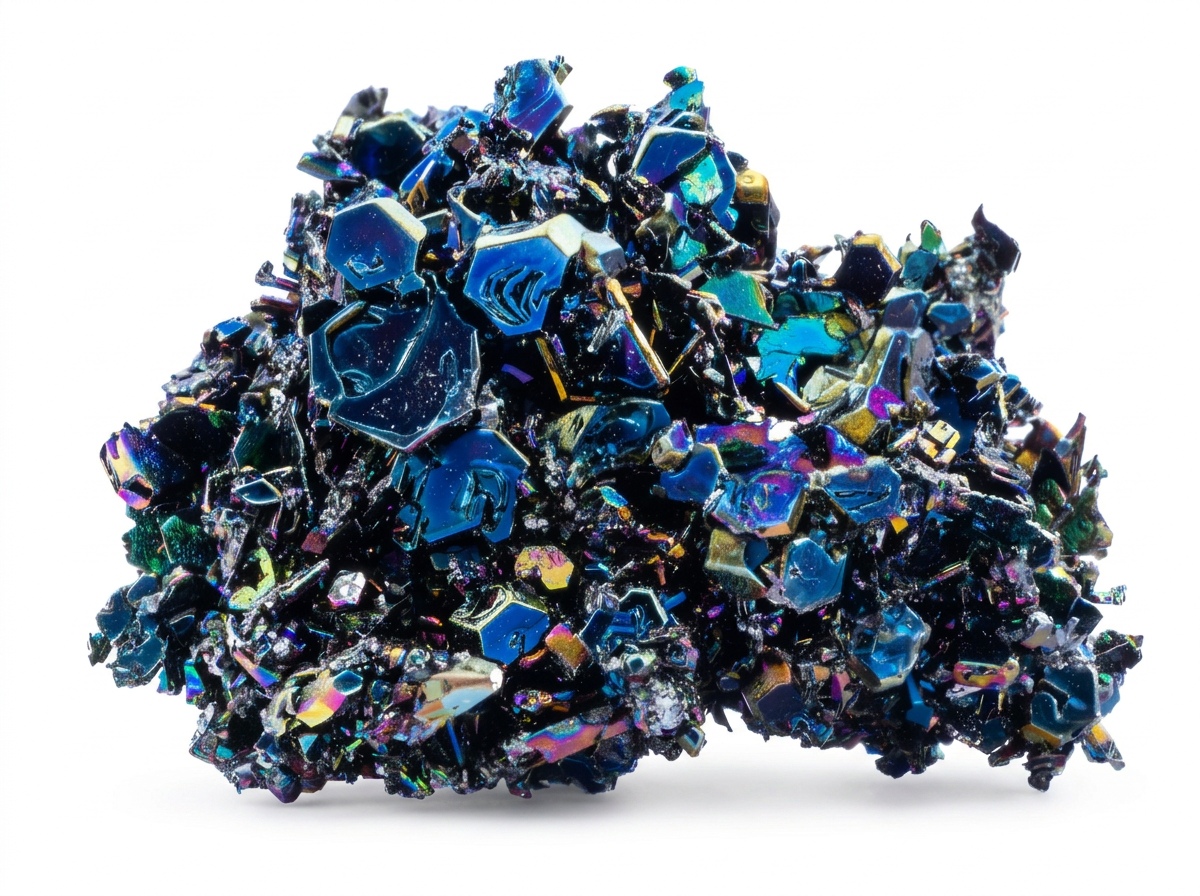
What & why moissanite?
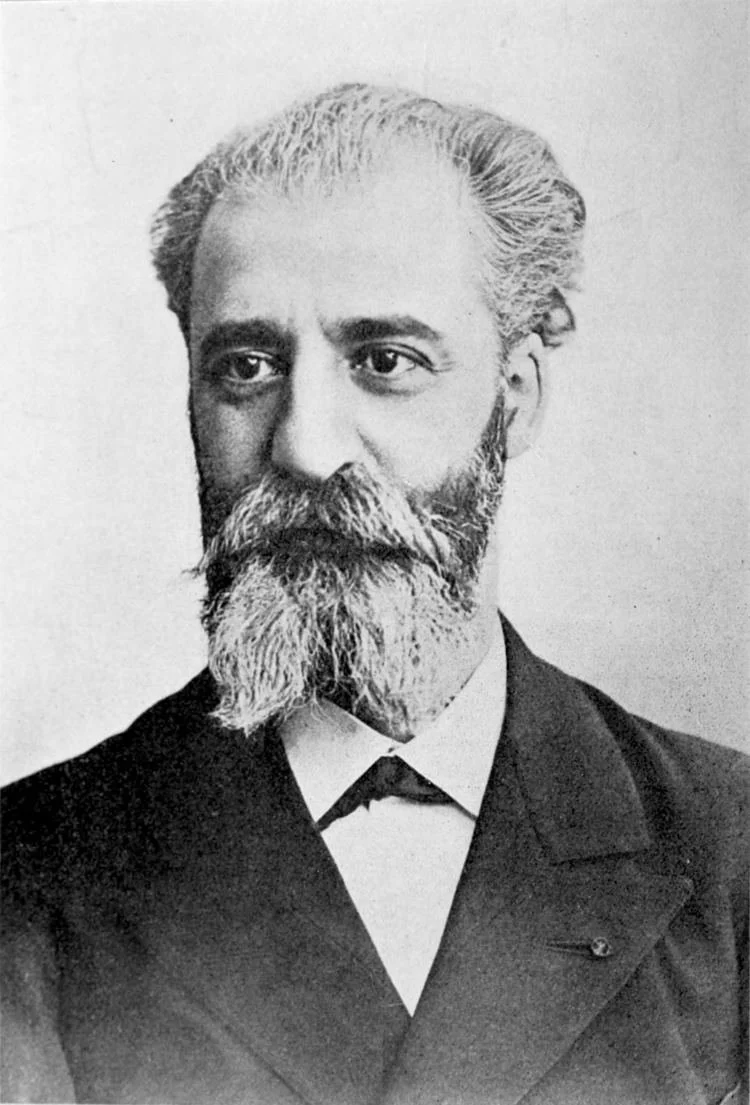
1893 – Henri Moissan discovers microscopic crystals of silicon carbide in the Canyon Diablo meteorite.
Early 1900s–1990s – Scientists learn to grow silicon carbide in laboratories, but it remains mostly industrial.
1998 – The first gem-quality moissanite becomes available for jewelry, popularized by Charles & Colvard.
Today – Moissanite is widely recognized as one of the most brilliant and value-driven diamond alternatives on the market.
Why People Choose Moissanite
1. More Sparkle Than a Diamond
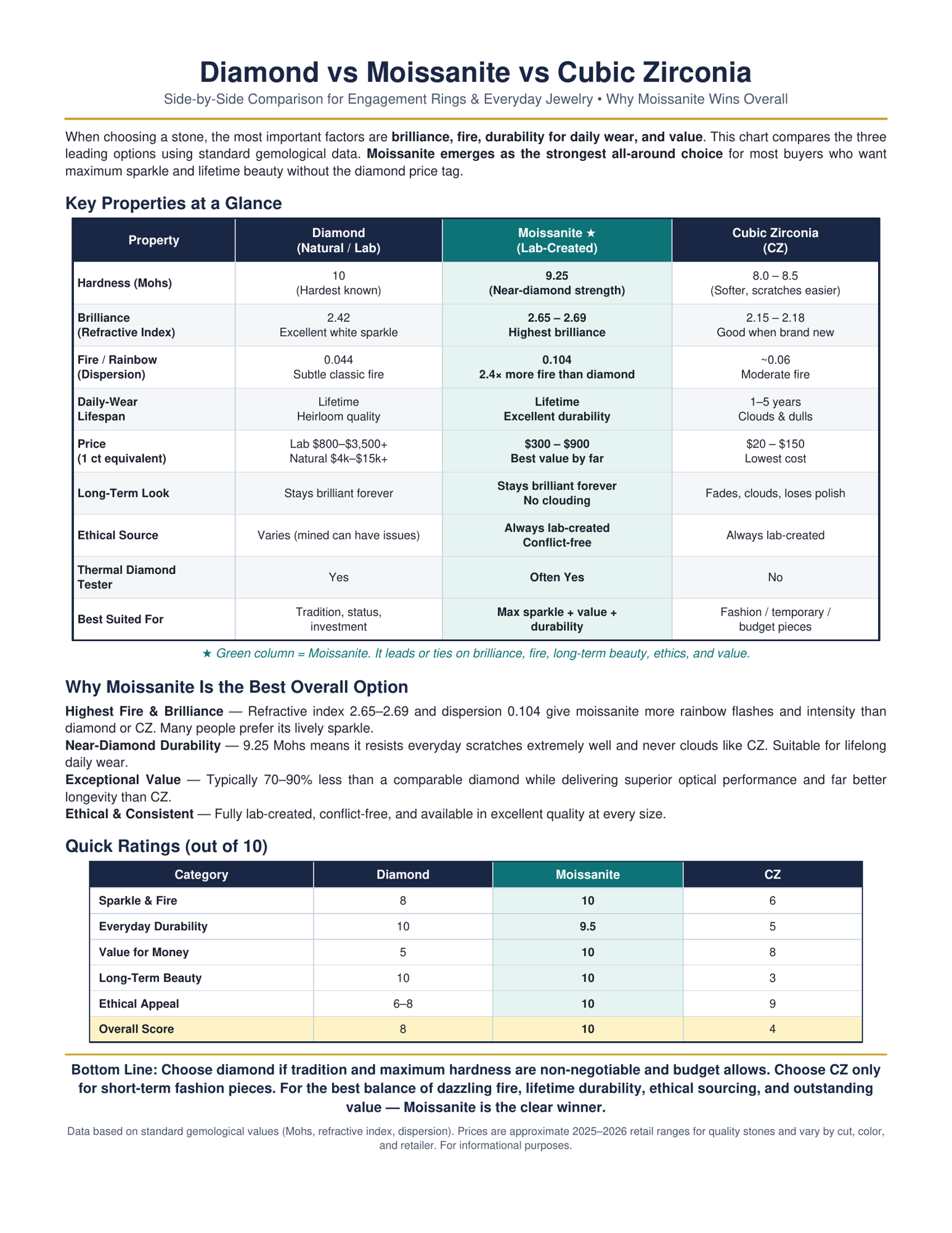
Moissanite has a higher refractive index than diamond (2.65–2.69 vs. 2.42). This means it returns more light and displays more colorful “fire.” Many people describe moissanite as looking livelier and more brilliant than a diamond of the same size.
2. Exceptional Hardness & Durability
Moissanite ranks 9.25 on the Mohs hardness scale (diamond is 10). It is highly resistant to scratching, chipping, and everyday wear, making it an excellent choice for engagement rings and daily jewelry.
3. Significantly More Affordable
You can typically get a much larger, higher-quality moissanite for the same budget as a smaller diamond. This allows buyers to prioritize size and visual impact without the traditional diamond markup.
4. Ethical & Conflict-Free
Because moissanite is lab-created, it has no connection to mining practices or conflict regions. It offers a transparent, environmentally conscious alternative.
5. Passes Most Diamond Testers
High-quality moissanite will pass a standard thermal diamond tester. While specialized equipment can distinguish it from diamond, it performs like a diamond in everyday testing situations.
6. Available in Many Sizes & Styles
Moissanite comes in a wide range of carat weights, cuts, and color grades, giving customers flexibility that is often limited with natural diamonds at the same price point.
What is Moissanite?
Moissanite is a rare, naturally occurring mineral made of silicon carbide. It was first discovered in 1893 by French scientist Henri Moissan while he was examining rock samples from a meteor crater in Arizona. Because natural moissanite is extremely scarce, virtually all moissanite used in jewelry today is lab-created.
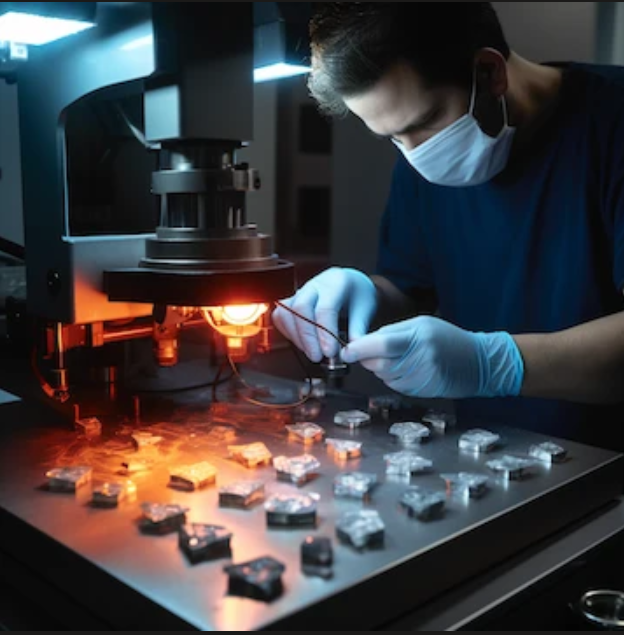
Lab-grown moissanite has the same chemical composition and optical properties as the natural mineral, giving it exceptional brilliance, fire, and durability.